Evan's, Ivan's, Ricky's and Tommy's
WILLIAMS-REHAB CENTER 🍺
/
Brewing/
Menu/
ReferencesBlog 1: Acquiring Knowledge
Research by everyone
Before we actually dove into the world of fermenting alcohol, we first needed to determine which sugars were fermentable and which were not. In addition, we needed to acquire general knowledge regarding the process of fermentation as well. We obtained our information from various scientific experiments and food blogs.
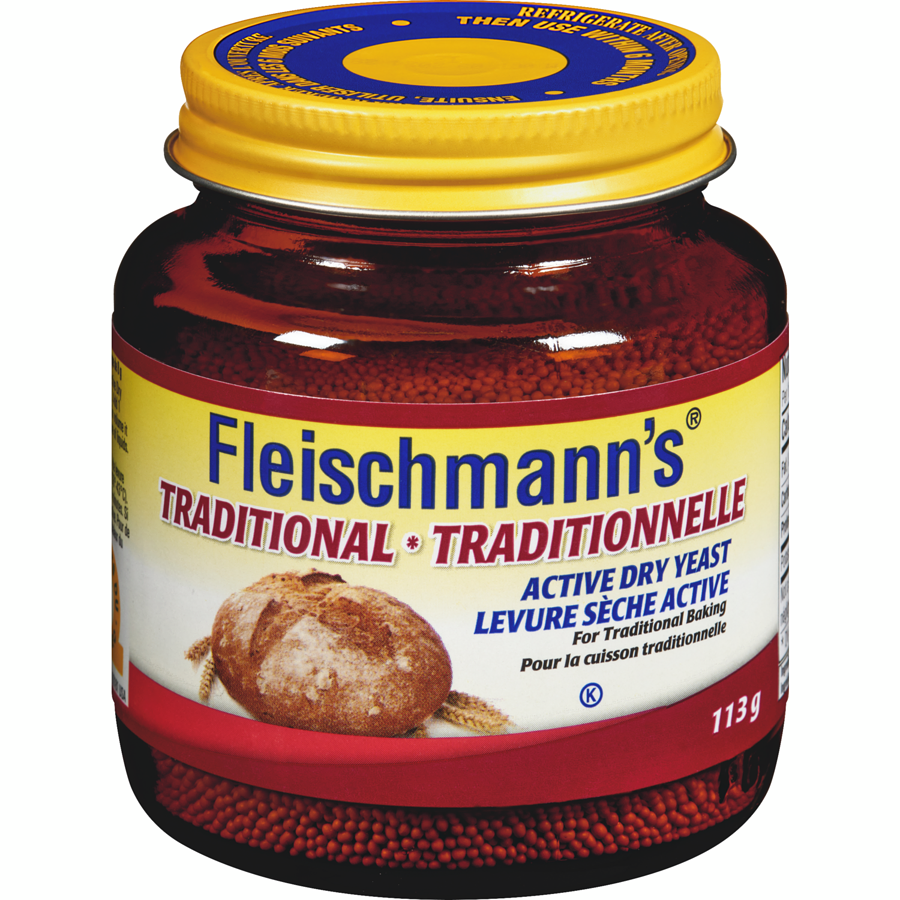
One such experiment was conducted by Charles Pepin and Charles Marzzacco from the University of Waterloo, regarding the fermentation of many different monosaccharides and disaccharides, catalyzed by yeast. The specific sugars they used were sucrose, lactose (in which both are disaccharides), glucose, fructose and galactose (in which these three are monosaccharides). In the experiment, 20 g of each sugar was dissolved in 0.1 L of tap water and 7.0 g of yeast was added right after. The solution was then microwaved for 15 seconds at full power in order to activate the yeast. As alcohol fermentation produces carbon dioxide, the mass of the mixture was measured after the reaction to study its reaction rate with respect to time.
Yeast

Sucrose

Lactose
In comparing the fermentation rates between the two disaccharides—sucrose and lactose—it was found that sucrose readily undergoes fermentation while lactose does not. However, when lactase was added to the lactose solution prior to the reaction, lactose did start to ferment, but only giving off half the amount of carbon dioxide that the sucrose solution produced. In comparing the fermentation rates between glucose, fructose and sucrose (the two prior sugars are the components of sucrose), it was found that they all fermented at the same rate despite sucrose having to undergo hydrolysis first. Galactose, a monosaccharide mentioned earlier in the introduction of the experiment, was found not to have been able to undergo fermentation by yeast, explaining the lower fermentation rate of lactose. Additional observations include the rate of fermentation not being dependent on the concentration of sugar but actually depends on the concentration of yeast added.

Glucose

Fructose

Galactose
What Roles Do Sugars Play in Fermentation? Which Sugars are Not Fermentable?
The previous experiment indicated to us some of the sugars that ARE fermentable (with yeast), namely glucose, fructose and sucrose, a sugar that is partially fermentable (lactose) and a sugar that is not fermentable (galactose). We wanted to delve deeper into the saccharides that AREN’T fermentable and for those that are, how do they actually affect fermentation?
A personal blog by “Greta” provided us an overview of the roles of sugar in fermentation, its effects on the growth of Symbiotic Culture Of Bacterial Yeast (SCOBY) and the final taste of the beverage. The fermentation process is broken down into two steps. In the first steps, most sugar is added to begin the fermentation process and create ethanol while lowering sugar concentration. In the second step, a small amount of sugar is added to create carbon dioxide bubbles for the purpose of making the drink fizzy. The author states that white sugar is best used for kombucha fermentation, while brown sugar should be used for the fermentation of alcoholic ginger. The blog post lists the following possible sources of sugars: evaporated cane juice, cane juice crystals, brown sugar, coconut palm sugar or syrup, agave syrup, maple syrup and molasses. Raw honey, stevia and artificial sweeteners are to be AVOIDED, since they only ferment partially or do not ferment at all. To ensure healthy SCOBY growth, the author recommends using ¼ of new alternative sugar sources combined with ¾ parts of regular white sugar.
References
Greta. (n.d.). Which sugar is best for fermenting? Mad Millie. Retrieved April 4, 2023, from https://www.madmillie.com/blog/which-sugar-is-best-for-fermenting
Pepin, C., & Marzzacco, C. (2021, February 12). The fermentation of sugars using yeast: A discovery experiment. —--Chem 13 News Magazine. Retrieved April 4, 2023, from —--https://uwaterloo.ca/chem13-news-magazine/april-2015/activities/fermentation-sugars-using-yeast-discover—--y-experiment